KAI is the context layer
for physical AI.
Your control room copilot. KAI connects information from different sensors and systems, builds an operational picture and context, and recommends next steps. Your people stay in command.
AI on duty. People in command.
The information is all there. Nobody has time to connect it.
Radio traffic, 911 calls, cameras and alarms all reach the control center, but each on its own screen.
The few people on shift have to hear it, find it, check it and act on it by hand, call after call.
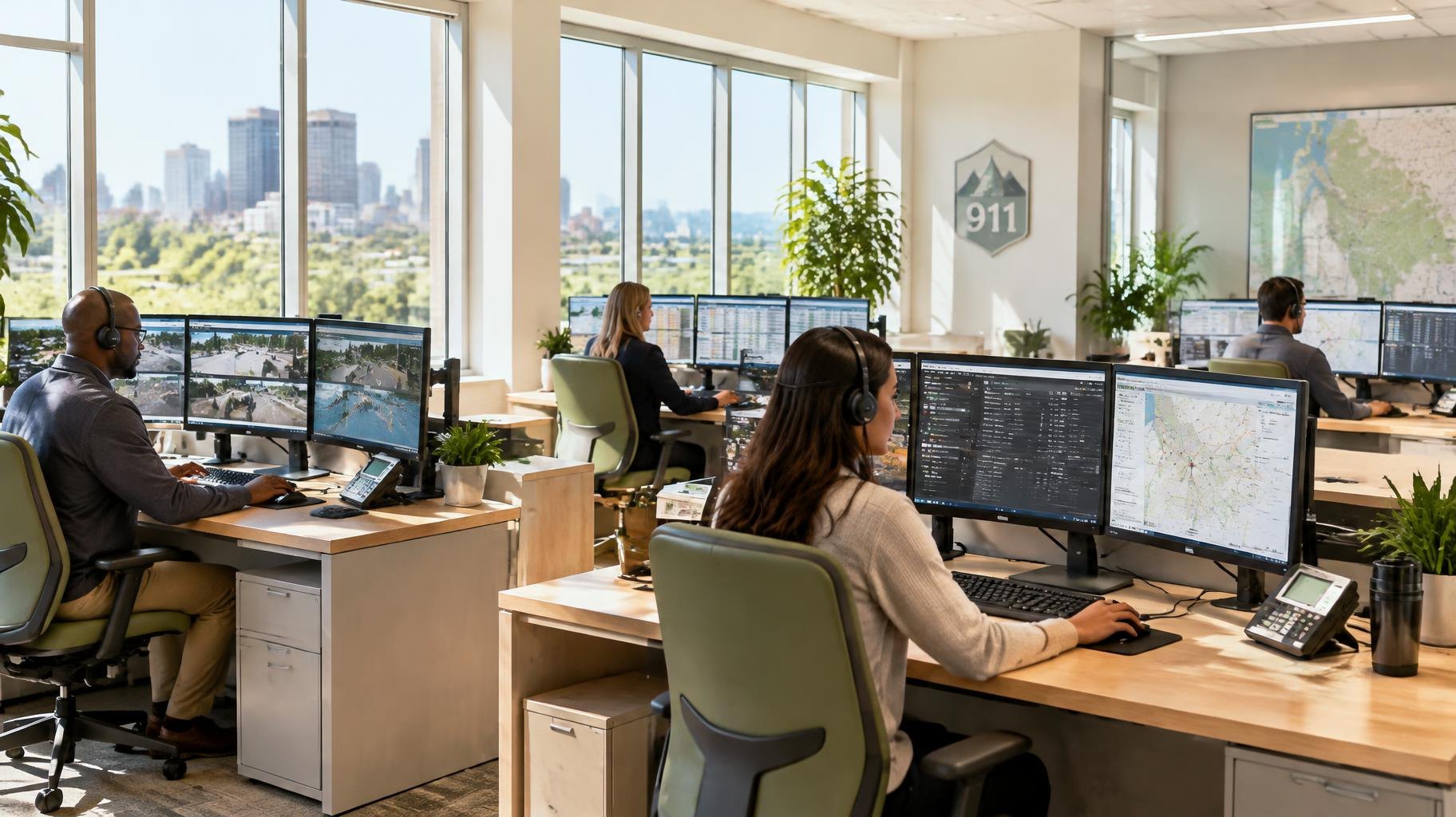
Every signal arrives on its own.
The radio, the 911 call, the cameras near the address and the building's alarms each hold part of the story, and nothing puts them together.
People do the connecting by hand.
Listening, searching cameras, cross-checking and writing it up all fall on the same few people while the next call comes in.
Experience doesn't stay on the floor.
The team learns which alarms are usually false, what's normal at each hour and who's in charge tonight. None of it is written down, so it is lost at every shift change.
So calls wait, false alarms bury real ones, and the response starts later than it should.
Control rooms face staffing pressure, growing camera networks and investigations that need more time than teams have.
Different sensors. Shared context. One KAI.
KAI brings the signals together, builds context and supports your operator’s decisions. One copilot, designed for more efficient, safer and more accurate work.
 Step 1
It connects the signals
Information from different connected sensors and systems.
 Step 2
It puts it together
Separate signals become a shared operational picture.
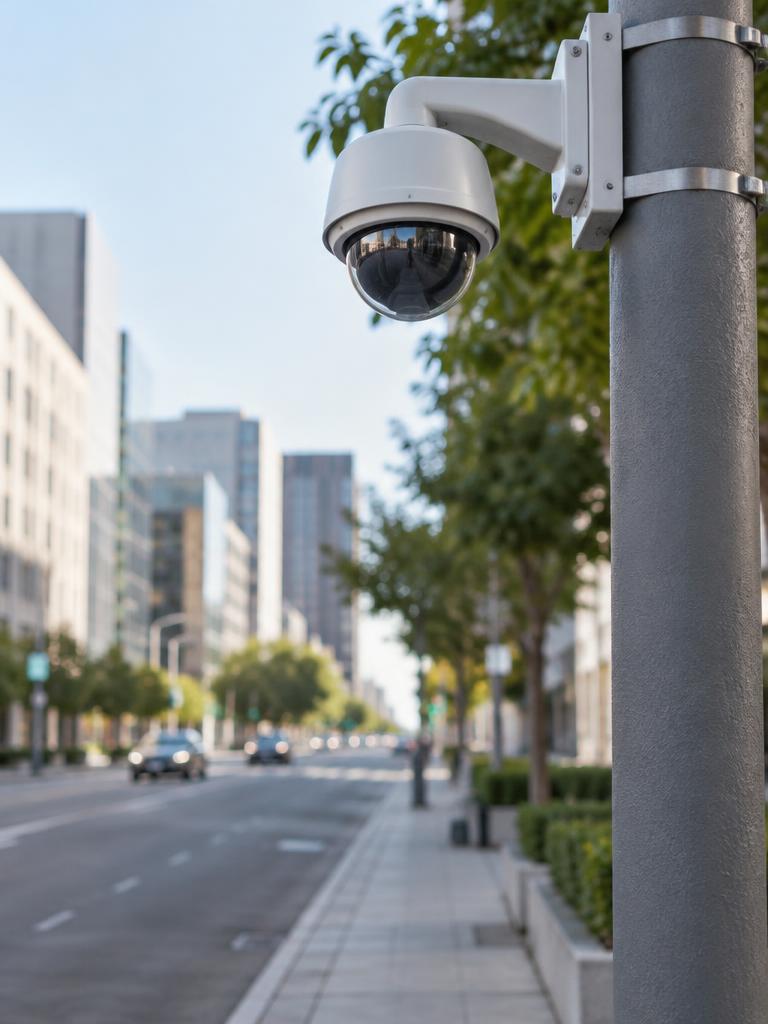 Step 3
It checks and suggests
Context helps KAI recommend next steps for the operator.
 Step 4
You decide
Your team reviews the recommendation and directs the response.
And it remembers what it learned, for the next shift.
See KAI running on your own systems
We connect to a live site and show you the difference in a short pilot.
Request a demo